From Club Juke to The Lonely Pine: If Walls Could Talk, They’d Sing the Blues
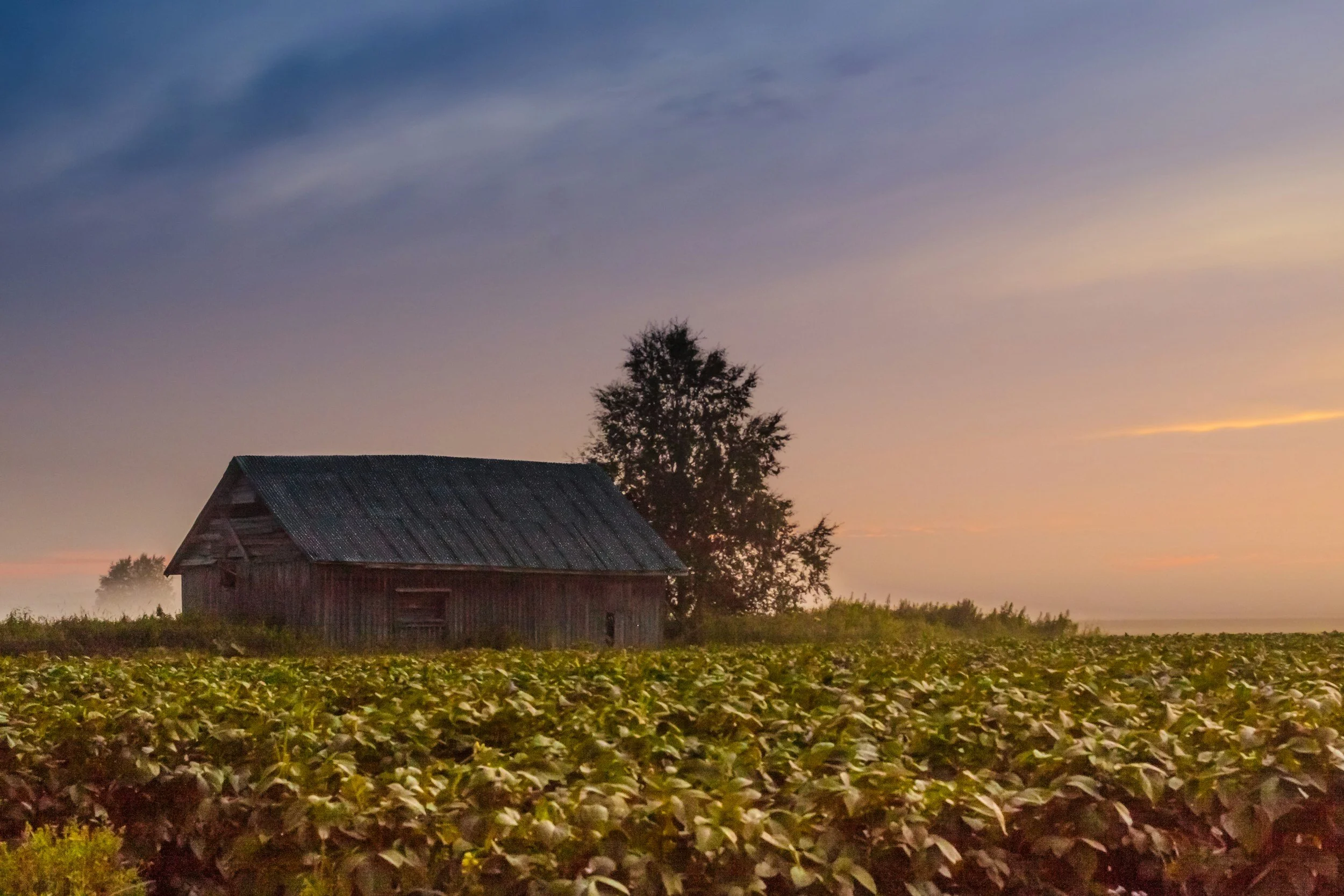
My Southern roots aren’t in Mississippi, but just across the way - in Alabama.
For anyone wondering what's the buzz about Sinners - a recent film rooted in African American spiritual and cultural traditions - and why now, consider the geopolitical landscape.
For anyone saying "that was so long ago," my grandmother, Barbara, was born four years after the film’s 1932 setting. She rode with her dad, who sold ice around Anniston - a memory that feels strikingly close to the world depicted in the film. A little girl, my grandmother taught her father's peers how to read and sign their names via reading the Bible to them. When I asked her what our ancestors liked to drink, she was stumped for a moment before she said, “probably something they made.” Maybe it was corn liquor.
Those Glover men stood like Smoke in my mind’s eye, and our matriarch was akin to Annie, who knew what herbs would help bring babies earthside as a granny midwife. The same ones who made moonshine for their juke joint, The Lonely Pine, named that since it sat on the outskirts of town amid a pine forest. The same ones who worked the railroads, and made a point for my grandmother's generation to feel a sense of pride in themselves.
A dear friend of mine, Julissa, had seen it before me, and when I mentioned The Lonely Pine to her, she quickly said, “Oh, that’s why you know all the DJs and musicians now, and will be at the functions.” I knew about and wrote about my affinity for dancefloors, song transitions, and drums via my father, a DJ in the early 80s, and via my primary orisa being Shango. But for whatever reason, I hadn’t yet made that connection via my Southern heritage.
At this point, I realized the weight of this film - it’s created so many beautiful entry points for so many different people to examine their cultures, histories, and themselves.
My entry point, or portal, was chatting about how excited I was to see the movie in one of my personal juke joints. Where I’m always greeted warmly, and I feel safe. In this local and global political moment, third spaces (gathering spaces other than our home and work) are sacred. If we can understand that when we enter any room, our ancestors are with us, just like they were depicted in *that* scene in Club Juke - we begin to see these spaces differently.
In 2018, I curated a panel with friends and community members Chiquita Brujita, Bembona, and Rainey to explore this via an Ancestors in Training talk called Dancefloors as Sacred Spaces. This was also on the heels of a mini series my friend and frequent collaborator Shaira Chaer and I led called us, too/nosxtrx tambien. The thread that was named then still rings true now, especially if we use Club Juke as the site. There’s a degree of reverence that organizers, curators, DJs, and venues should develop community safety protocols and action plans for when something goes wrong, or God forbid, when someone is harmed. Perhaps these sessions are our version of a Greenbook - not a physical guide like the original, but a living map in our conversations, demonstrated in shared values of care and protection.
Looking back, we were slightly ahead of the curve, and yet I trust that we weren’t alone in our perspectives when you zoom out to other ecosystems, cities, or even countries. As Sinners shows us through the character of Annie, there are a myriad of ways that sacred traditions are embedded into our everyday lives. A Catholic, my grandmother made me recite St. Michael’s protection prayer every day before school for years as a child. I carry my handmade florida water in my purse. I’ve seen altars go up under a DJ’s turntable and bloom by the end of a function. I’ve heard orisa praise songs mixed into a set.
I’m particularly jazzed for Black folks who saw themselves in this film and want to learn about African Diasporic Traditions/Religions to explore the practices that correlate to their lineage. I personally sought out a path that traveled to the root, which for me meant Ifa. As I’ve written about before at Ancestors in Training, while we do not need to be initiated into a tradition or practice to have a relationship with our ancestors, we absolutely do need mentors, teachers, and communities of practice if we want to take things to the next level or become a formal member of a religion or practice. This includes non-Black folks as well, because your ancestors had spiritual traditions as well. Please understand that if a practitioner reminds you that some ADRs are closed, honor that boundary and seek the traditions open to your lineage. Don’t be a Remmick.
As many other spiritualists and practitioners have said, stories of folks walking out of Sinners for scenes that were “demonic” correlate with the transgenerational harmful narratives about African Diasporic Traditions, and particularly aspects of Hoodoo, shown in the film. The debate about ancestral veneration being “demonic” resurfacing in light of the film, to me, proves why Ryan Coogler chose to make that a core part of the movie alongside The Blues. In real time, there are folks who want Black folks’ rhythm but not the blues that come with it, or the weight of being Black in an ecosystem and nation that was built on the forced extraction of our labor. If nothing else, the film was designed to get us, particularly the Black Diaspora, talking with one another. The same way that we have to practice discernment in who we seek knowledge from, are in community with, and move through the world - we have to treat the traditions with respect - even if we do not fully understand them or disagree.
Speaking of being in community, since our third spaces are shrinking rapidly, how can we go back to the slow work of community building? What opportunities for care get lost? Dr. Evan Auguste and I explored this in depth in the latest edition of the How We Heal in Circle series, but through the lens of Sinners, there are real-time consequences of the displacement of Black people and Black-owned spaces. Every other day, it feels like a beloved bar, restaurant, or venue is closing down. Folks like me have been priced out of New York. If we’re losing the spaces and people who are a part of the creative tapestry of New York (and other cities), what does that say about the future landscapes? How can we deepen our support of the existing spaces so that we don’t lose anymore to gentrification, hyper-capitalism, and the like?
To say that I adored Sinners is an understatement. I'm so grateful for these past few years of soaking up my grandmother's wisdom, and jumping the timestream to hear my ancestors through her. By the time you read this, she and I will have made plans to go see Sinners together - her first viewing, my second. I’m equally grateful for my friends and collaborators who I’m shaped and inspired by, and the spaces in which we’ve been able to build with. Our present-day Club Jukes need us just as much as we need them.
Resources
The Book of Juju and A Little Juju Podcast by Juju Bae
Jade T Perry’s body of work and Patreon
Sara Makeba Daise’s The South as Portal and forthcoming book Sankofa Shadow Work
Amber the Conduit’s offerings
How We Heal in Circle Part 3 by Dr. Evan Auguste and Veronica Agard
Dance Floors as Sacred Spaces, an Ancestors in Training panel discussion
Shaira Chaer’s Substack
What Does it Take to Build a Black Business Empire in Brooklyn, The Brooklyn Mavens
Meet the writer
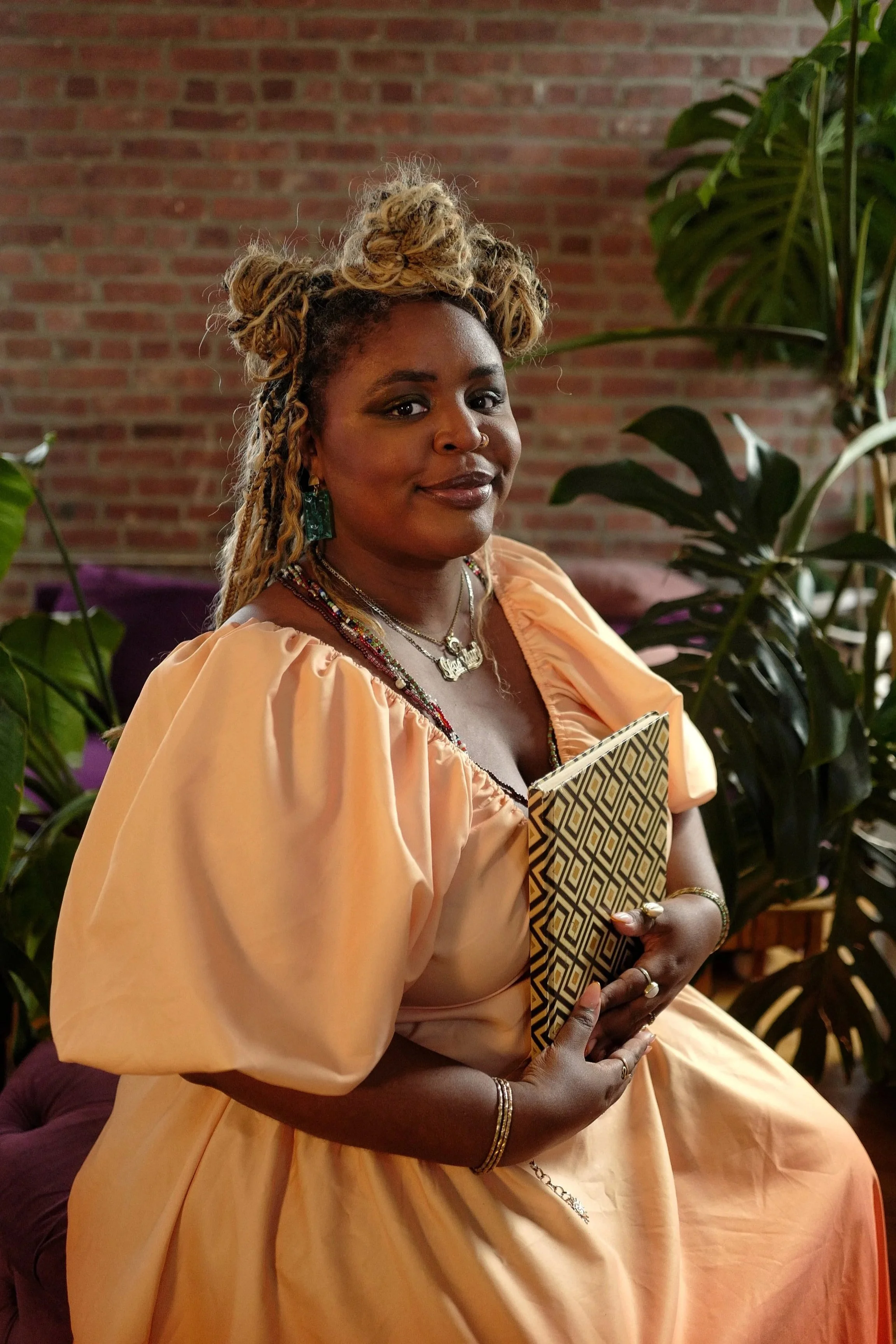
Veronica Agard (Ifáṣadùn Fásanmí) is a visionary muse and multifaceted creative rooted in the power of ancestral healing and joyful storytelling. Through Ancestors in Training™, she inspires others to honor their roots, build intentional legacies, and envision brighter futures. Known for her warm, approachable presence, Veronica blends poetry, community care, and cultural identity into her work, fostering spaces for healing and transformation.
Her journey includes facilitating workshops, curating transformative experiences, and collaborating with institutions such as CCCADI and the Studio Museum of Harlem. She is invested in cultures of healing. With a digital presence reaching thousands, Veronica weaves vibrant visuals, meaningful conversations, and nature-inspired aesthetics to spark curiosity and connection.
From her soulful captions to her upcoming projects, Veronica invites her audience to explore the intersections of joy, resistance, and legacy. Her debut book, Ancestors in Training: An Aborisa’s Guide to Lineage Work, Healing Praxis, and Black Diasporic Memory, is out January 2027 with North Atlantic Books. (Photo by Shaira Chaer 2025)