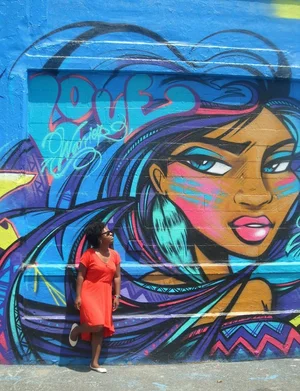
We Need to Focus on Black Joy Just as Much as Black Liberation
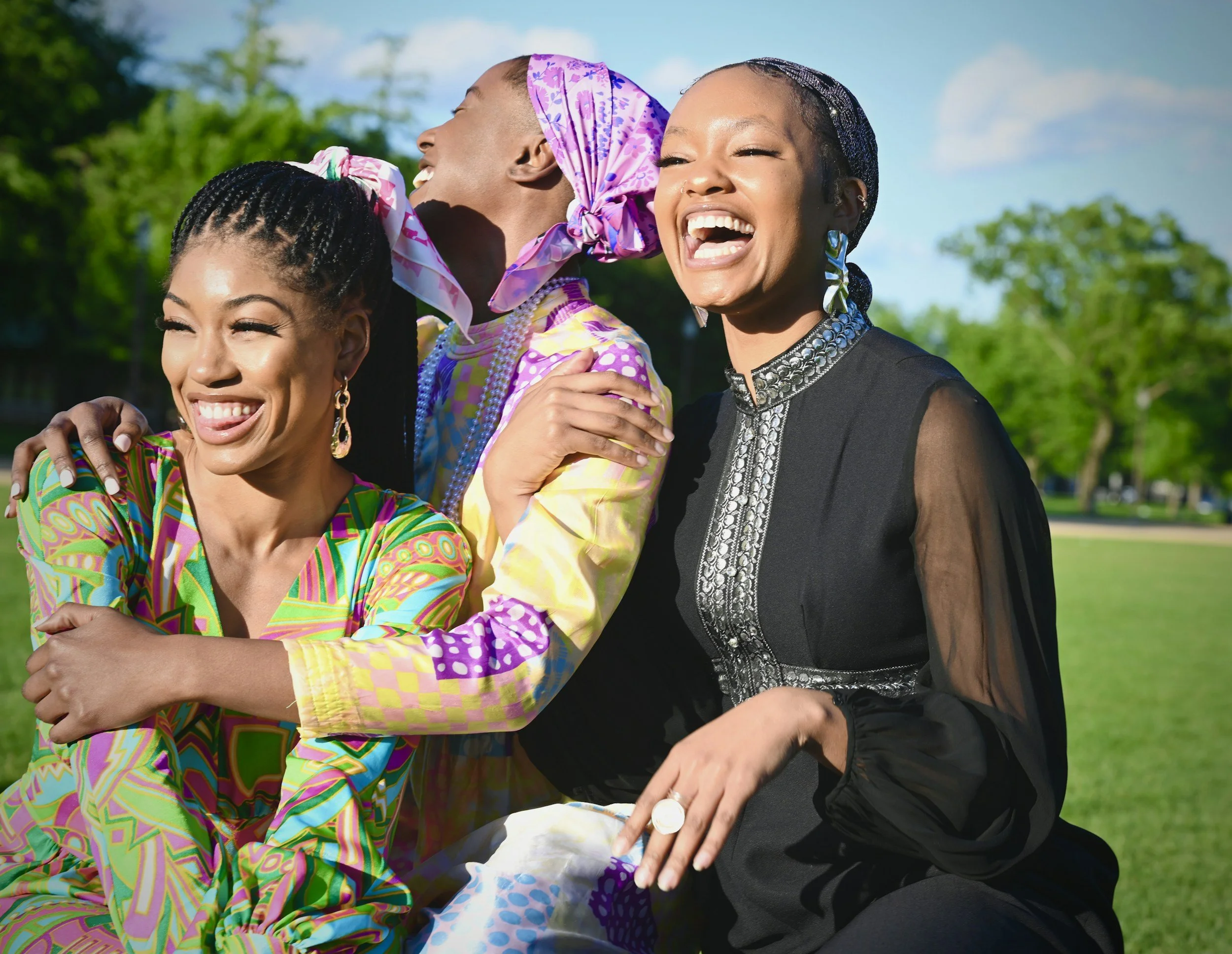
The Black experience in the United States has always been paradoxical in nature, as our historical memory knows that it has been one of constant struggle.
However, in the face of violence, poverty, trauma, systemic oppression, and death, we have continued to thrive.
But after rolling to protests, having emotionally charged conversations with White “allies,” and witnessing how many folks on my newsfeed were more concerned about Cecil the Lion than Sandra Bland, I’ve been reminded that being Black in America is to be tired. As it’s been said time and time again, being Black in America is exhausting – we’re supposed to just play sports, make White America laugh or sing along to (apolitical) music, and stay silent while the heteropatriarchal White supremacist system kills us. All to diminish our spirit and potential.
Society currently presents the intersection of thriving and surviving as a challenge; an impossible aspiration that seems less and less obtainable when bombarded by the mainstream news cycle. Systematic hurdles and barriers exist at every turn and dictate how we should be living our lives and imply that we should not aspire for more. As the medical data confirms that Black folks and other people of color suffer from generational trauma in the forms of high blood pressure, heart disease, strokes, diabetes, and other preventable illnesses, we are forced to buy back into a medical system that has historically harmed us. The capitalist structure is not truly designed for wellness, in fact, it invested in perpetuating illness as a means of profit.
While there is hope in holistic medicine and campaigns encouraging us to get physically healthy, such as Black Girls Run! and FLOTUS Michelle Obama’s Let’s Move!, we cannot afford to solely focus on the body. We have to place an emphasis on the spirit and what (collective) joy looks like for us as individuals and as a people. In this (new) movement for Black liberation, there has to be an emphasis on celebrating and cultivating Black joy as well. Black liberation has a long history – from the liberation theology born in the Civil Rights Movement, to the radical teachings of Assata Shakur and the Black Liberation Army – and proves to be more relevant than ever in our movements. Whether you seek liberation in the church or through direct action, can we truly liberate ourselves as a people if we do not acknowledge and emphasize the role of sustaining ourselves in mind, body, and spirit?
If we are going to have Black liberation, we must continue to strive for wholeness and wellness in the face of all the ills of the world. For me, Black joy is both the collective experiences and the personal triumphs of our people. Black joy looks different for everyone and can be found in a variety of forms; in simple acts of self-care, spending time with loved ones, or indulging yourself by working on those projects you’ve been putting off. Starting a journal, getting to know your creative side through a form of art, developing a circle of sisters, or taking yourself out on the town. Even if it’s just five minutes, making the time to sit down to (re)discover what brings you happiness is a liberatory act.
My Black joy is a work in progress, but right now, it appears when I’m soaking up the sun and marveling at the glow my melanin gives me. My joy is found in hearing the laughter of my family and the way my heart swells when I see the look of love I have for my partner reflected back at me. My Black joy is grinning at little girls with their natural hair out on full display and seeing their little spirits stand so tall.
This Black joy, despite all that we face, is revolutionary. The ability to create and hold space for our happiness as a people is not new, however. When slaves could not be legally wed, the African tradition of jumping the broom was revisited. This is not to say that this made the union legal in the eyes of the legal system, but this act of remembrance and celebration, in the face of the horrors of slavery is one liberatory act of Black joy that can be found in history. In today’s actions, our Black joy can be seen in other ways.
Burning sage and incense during a protest, or creating an altar for those who we have lost to violence is an act of Black liberation. Deciding when and how we want to engage in the conversation on Black lives with allies and even those in the movement is a radical act. The love we have for our sisters on the vanguard of this movement, including Bree Newsome, Johnetta Elzie, Alexis Templeton, Brittany Ferrell, and many others, is one to hold dear as we engage in liberatory work.
As we continue to affirm that #BlackLivesMatter and encourage everyone to #SayHerName, finding that inner joy and self-love is a vital contribution to the struggle against the constant trauma inflicted on Black people. We may not have the opportunity or space within ourselves to choose happiness every day, and that is okay. But if we can get to a point where we have more days where we can opt for joy than not, we will be in a space of light and love while designing a world where we are not only surviving but are celebrated.
Originally published in August 2015 at For Harriet
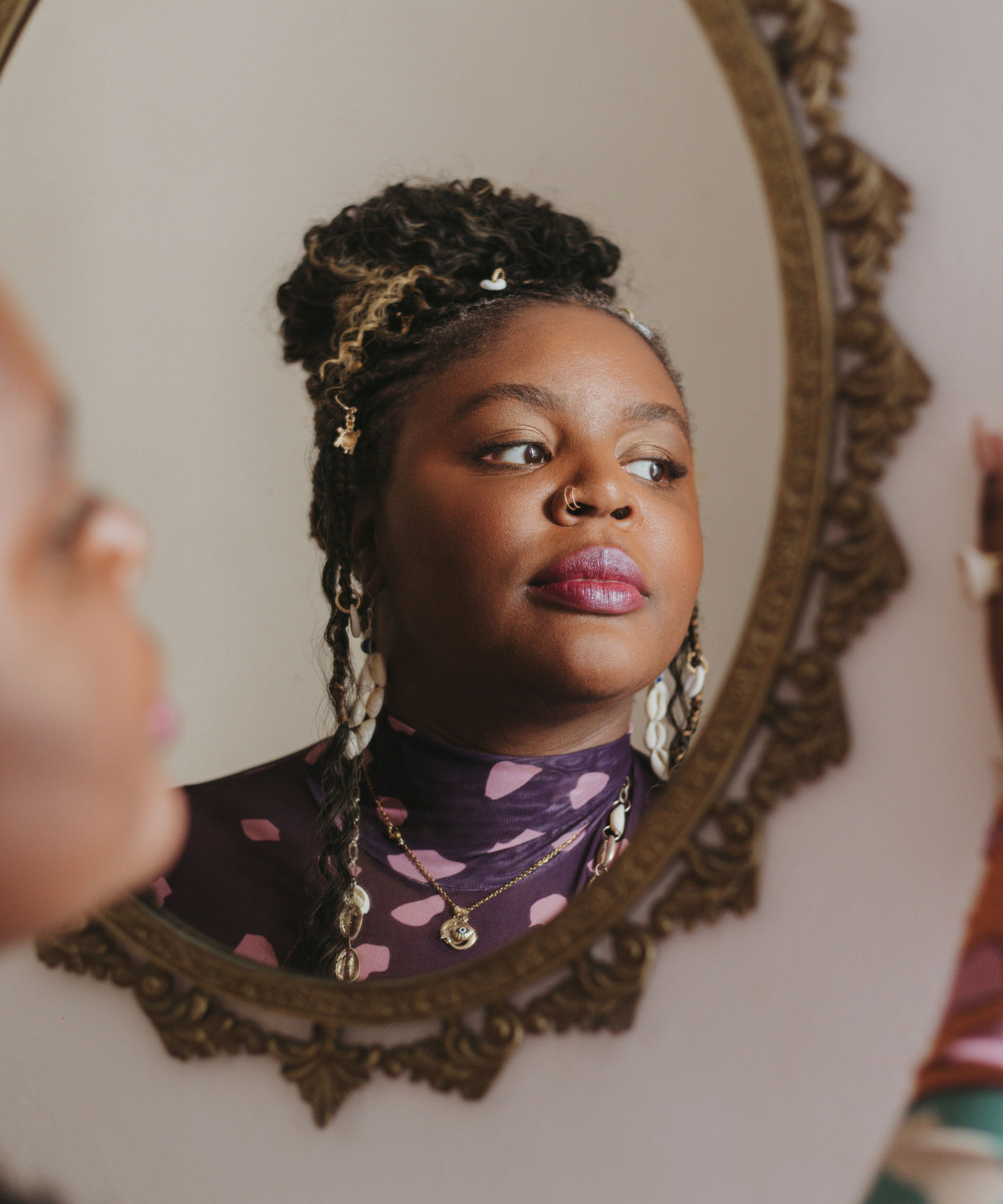
Meet The Writer
Veronica Agard (Ifáṣadùn Fásanmí) is a visionary muse and multifaceted creative rooted in the power of ancestral healing and joyful storytelling. Through Ancestors in Training™, she inspires others to honor their roots, build intentional legacies, and envision brighter futures. Known for her warm, approachable presence, Veronica blends poetry, community care, and cultural identity into her work, fostering spaces for healing and transformation.
Her journey includes facilitating workshops, curating transformative experiences, and collaborating with institutions such as CCCADI and the Studio Museum of Harlem. She is invested in cultures of healing. With a digital presence reaching thousands, Veronica weaves vibrant visuals, meaningful conversations, and nature-inspired aesthetics to spark curiosity and connection.
From her soulful captions to her upcoming projects, Veronica invites her audience to explore the intersections of joy, resistance, and legacy.